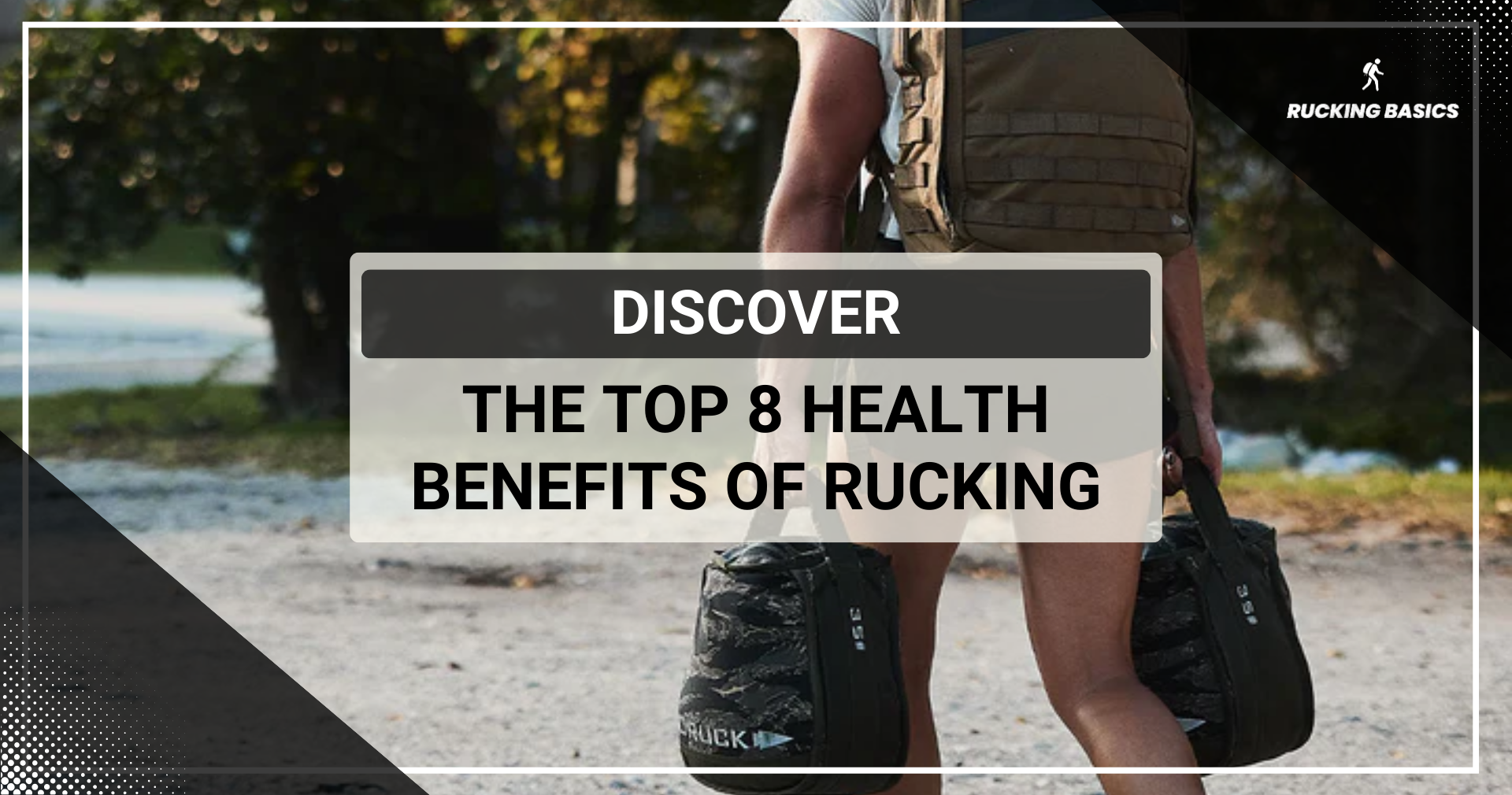
Rucking is walking with weight on your back. You load a sturdy backpack, called a rucksack or ruck, and walk at a brisk pace. That is the whole idea, and it is why rucking has become one of the most popular ways to turn an everyday walk into a full workout.
This guide covers what rucking is, where it comes from, what it does for your body, and what you need to try it this week.
What is rucking?
Rucking means carrying a loaded pack over distance on foot. The word comes from “rucksack,” and the activity comes from the military, where soldiers have always had to move gear across long distances. Armies call it a ruck march, and timed ruck marches are still part of selection and fitness tests in many special operations units.
Civilian rucking took off in the 2010s, helped along by companies like GORUCK, which was founded by a former Green Beret and built events and gear around the idea. Today people ruck for fitness, weight loss, event training or simply to get more out of their daily walk.
What makes rucking different from hiking is intent. Hiking is about the trail and the destination. Rucking is training: you choose the load, the distance and the pace to get a specific result.
What rucking does for your body
Adding weight to walking changes it from light cardio into something closer to strength-endurance training. The main benefits:
- More calories burned. Moving extra weight takes more energy than walking alone, and terrain and hills raise it further. Our rucking calorie calculator estimates your burn for any load and pace.
- Stronger legs, back and core. Your glutes, quads, calves and postural muscles work harder to carry and stabilize the load. See what muscles rucking works.
- Better endurance with low impact. Rucking raises your heart rate like a run does, but with far less pounding on your joints. Compare the two in rucking vs running.
- Posture. A well-fitted pack held high on the back encourages you to stand tall and brace your core.
- Bone health. Weight-bearing exercise is one of the ways to support bone density. Read more in rucking and bone density.
- Mental toughness. Long rucks build a calm, steady kind of grit, and most people find it easier to stay consistent with walking than with running.
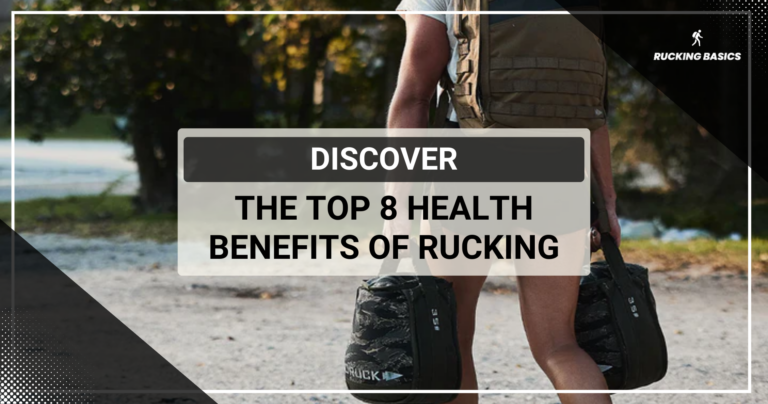
For the full list, see our guide to the health benefits of rucking.
Is rucking safe?
For most healthy adults, yes, as long as you build up gradually. Most rucking injuries come from doing too much too soon: too much weight, too many miles or the wrong footwear. Shoulder soreness, hot spots on the feet and lower back fatigue are the common early complaints, and they usually point to a load that is too heavy or a pack that sits too low.
If you have back, knee or joint problems, or a medical condition, talk to your doctor before you start. Our guides on rucking and your back, rucking and your knees and rucking injury prevention cover the details.
How much weight should you ruck with?
Start with about 10% of your body weight, or roughly 10 to 20 pounds. Keep that load until a few miles feel comfortable, then add weight in small steps of about 5 pounds. Many experienced ruckers settle around 20 to 30 percent of body weight and spend more effort on distance, pace and hills than on piling on more load.
Our guide on how much weight to ruck with breaks this down by experience level.
What gear do you need?
Less than you might think. To start, you need two things:
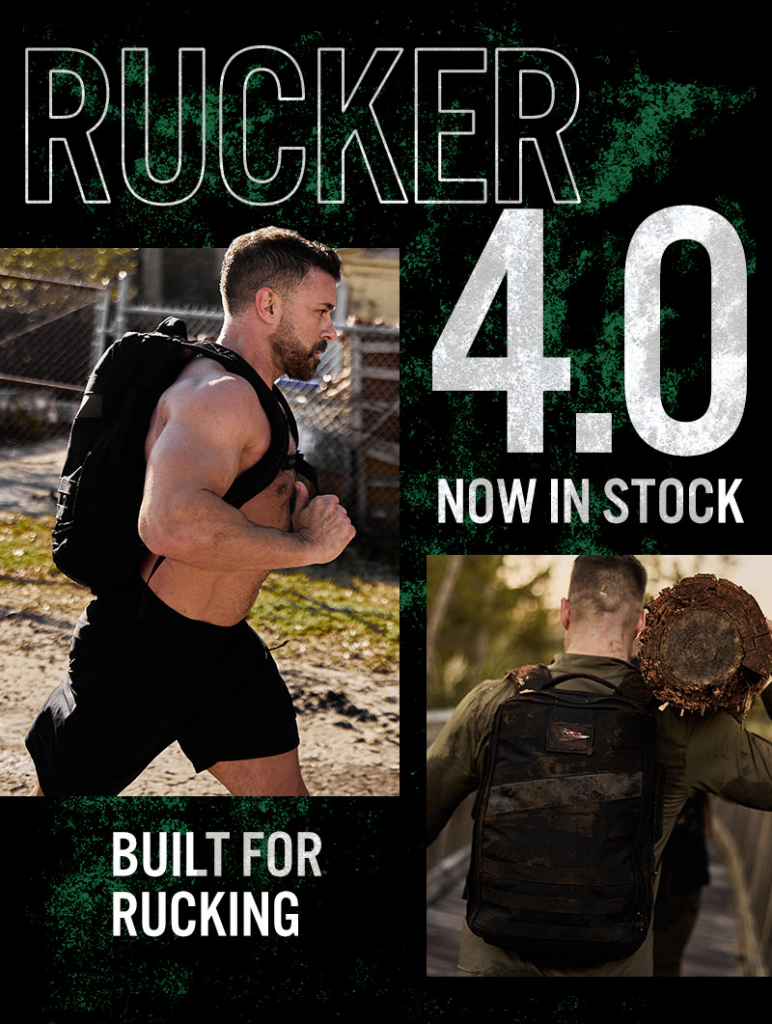
- A sturdy backpack. Any solid pack with padded straps works for light loads. As you add weight, a dedicated rucking backpack with a plate pocket keeps the load high and tight. See our best rucking backpacks, or read whether a normal backpack will do.
- Good shoes. Supportive trainers or light boots with a firm heel. Our best shoes for rucking and best rucking boots guides compare options.
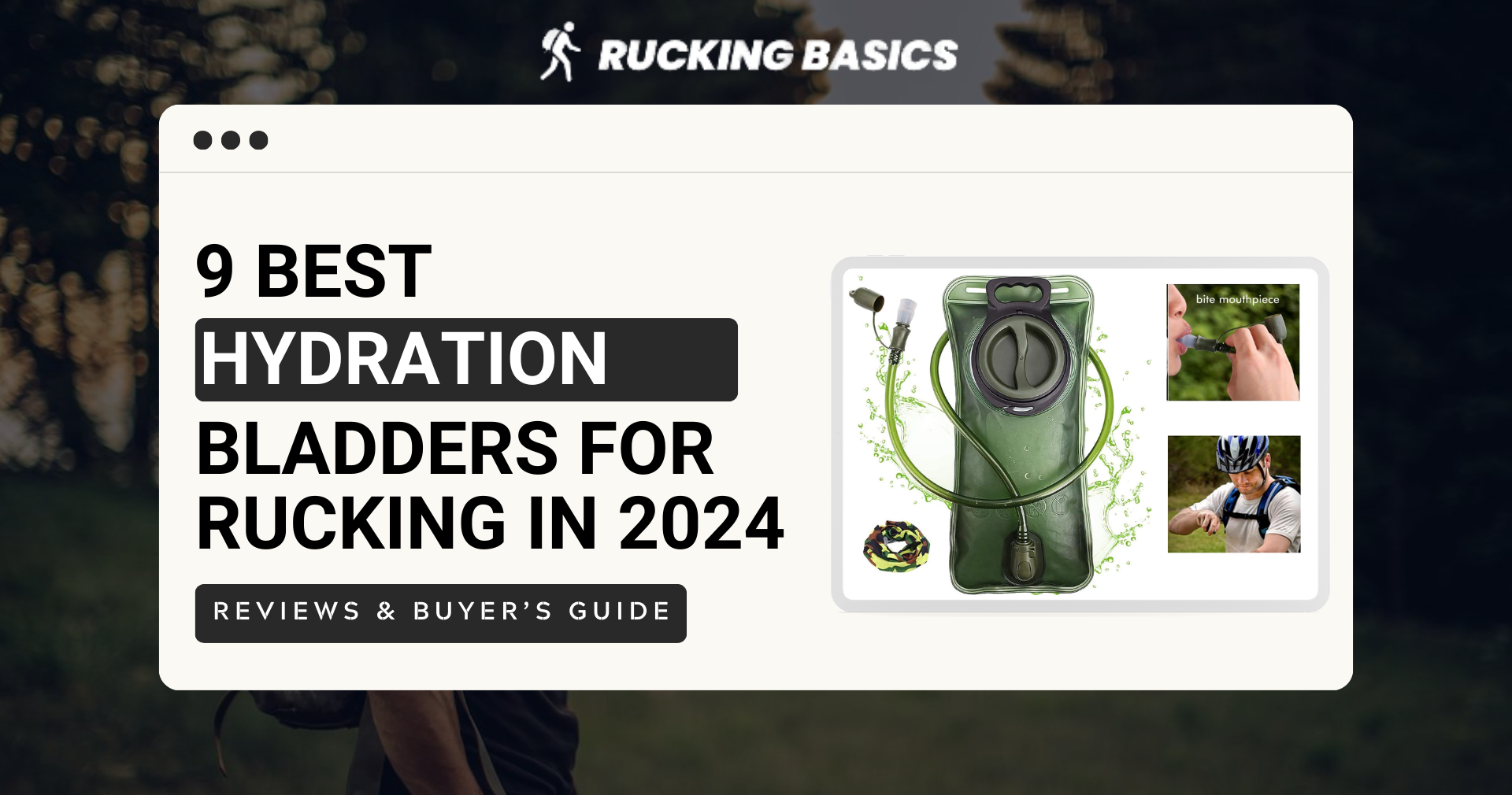
For weight, a purpose-made ruck plate is the most comfortable option, but water bottles, books or a wrapped bag of sand work fine at first. Merino or synthetic socks are cheap blister insurance. Later you might add a hydration bladder, a weighted vest or reflective bands for early-morning rucks. Our rucking gear guide covers the full kit.
How to start rucking
- Load light: about 10% of your body weight, packed high and snug against your back.
- Go short: one to two miles, two or three times a week.
- Walk briskly: a pace you could hold a conversation at, usually 15 to 20 minutes per mile.
- Build distance first: add a half mile each week before you add weight.
- Recover: take rest days between rucks while your feet, shoulders and back adapt.
Our step-by-step guide to your first ruck and rucking training plan take it from there.
Rucking vs walking, hiking and running
- Walking: rucking burns more and builds more strength at the same speed. See rucking vs walking.
- Hiking: similar movement, but rucking is structured training with a chosen load and pace. See rucking vs hiking.
- Running: running builds more speed and aerobic capacity; rucking is lower impact and builds more strength. Many people do both.
Frequently asked questions
What does rucking mean?
Rucking means walking with a weighted backpack. The term comes from the military word “ruck,” short for rucksack.
Is rucking good for weight loss?
Yes. It burns more calories than walking and is easy to do consistently. Combined with sensible eating, it is an effective weight-loss habit. See rucking for weight loss.
How often should you ruck?
Two or three times a week is a good start for beginners, with rest days in between. Read how often should you ruck for more.
Can women ruck?
Absolutely. Fit matters more than anything, so look for packs with adjustable or women-specific harnesses. See rucking for women.