Your first month of rucking, step by step. Reviewed by Jason Vaught.
Estimate what today's ruck burns.
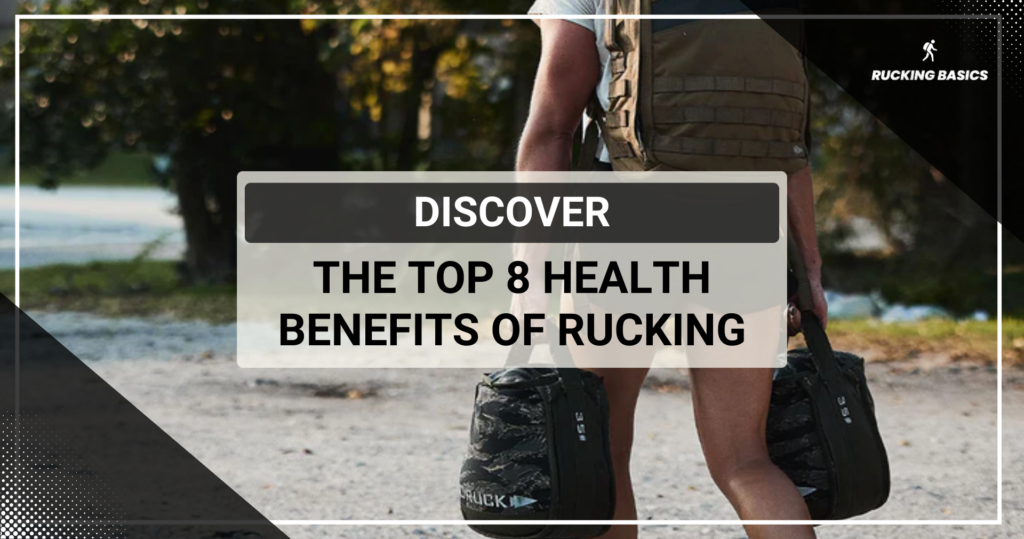
Rucking is loaded walking: you carry a weighted backpack, or rucksack, at a brisk pace. It comes from military training, where ruck marching builds the endurance to move a heavy load over distance. Today it’s one of the simplest ways to add strength training to the walking you already do.
Compared with unloaded walking, the extra weight raises your heart rate and calorie burn and works your legs, core and postural muscles, with far less impact than running.
Four rules for your first month.
Carry about 10% of your body weight. Add load only after your body adapts.
One to two miles, two or three times a week. Build distance before weight.
Stand tall, keep the load high and tight, and hold a pace you can talk at.
Proper footwear and merino socks prevent most beginner blisters.
You only need a rucking backpack and good shoes to start. Ruck plates and a weighted vest can wait.
Every guide is written by a certified trainer and reviewed before it goes live. When we have carried a product ourselves, we say so; when a pick is based on research, we say that too. Some links earn us a commission; it never decides what we recommend.
Reviewed by Jason Vaught
ISSA Master Trainer, 20+ years of training
How we test and review gear
Start around 10% of your body weight, or 10–20 lb, and increase slowly once 3 miles feels easy.
Yes, for light loads. Once you add ruck plates, a dedicated rucking backpack holds the weight higher and saves your shoulders.
It’s lower impact and builds more strength; running builds more speed. Many people do both.
A vest spreads the load around your torso for workouts; a backpack is better for long walks.
New guides, gear deals and training tips. No spam, unsubscribe anytime.